
Pregnancy Planning After 30: A Complete Guide to Fertility, Health and Preparing for a Healthy Pregnancy
Planning pregnancy at 30? There are many women and couples like you who want to plan their pregnancy once their career is settled, they have achieved financial stability, or they simply feel ready to become parents.
But planning a pregnancy after 30 also brings questions about fertility, egg quality, pregnancy complications, diet and when to see a healthcare professional. The right information will help you plan with confidence instead of worry.
Many women have healthy pregnancies after 30. The key is understanding your reproductive health and being prepared physically and medically.
This article covers pregnancy planning after 30, health check-ups, age-related fertility changes and when it helps to consult a fertility specialist.
What Is Pregnancy Planning After 30?
Pregnancy planning at 30 and above means getting ready physically, emotionally and medically for conception and pregnancy.
It involves reviewing your menstrual cycle, understanding your fertile days, getting pre-pregnancy health guidance from a qualified doctor, taking the right supplements and managing any existing health conditions.
This preparation matters because the chances of conceiving gradually decrease with age, especially from the mid-thirties. However, age alone does not decide how easily one woman will conceive.
A personalised plan works better than relying on age alone.
Is It Safe to Get Pregnant After 30?
Yes. Many women conceive and carry healthy pregnancies after 30. Being over 30 does not mean a woman is infertile or will face problems during pregnancy.
Some risks, however, can rise with age, including difficulty conceiving, miscarriage, genetic conditions, gestational diabetes and high blood pressure. These risks vary from woman to woman depending on age and several other factors.
Women from their 30s to early 40s may need their own set of tests to evaluate fertility, which is why pregnancy planning should be personalised rather than based on one age number. If you plan to conceive after 30, it is wise to see a doctor before you start trying.
How Does Age Affect Female Fertility After 30?
Female fertility depends on the number of eggs in the ovaries and the chance of those eggs leading to pregnancy.
A woman is born with a fixed number of eggs. Over time, the number of eggs decreases, and the share of eggs with chromosomal abnormalities increases. Conception can therefore become harder for many women at an older age, because fewer eggs are chromosomally healthy.
Other factors can also influence fertility, including:
- Irregular or absent menstrual periods
- Polycystic ovary syndrome (PCOS)
- Endometriosis or uterine fibroids
- Previous pelvic infections or reproductive surgery
- Thyroid disorders and other medical conditions
- Sperm quality and other male reproductive factors
Fertility is a couple's health matter, not only a woman's responsibility. A fertility assessment may involve both partners when appropriate.
7 Important Steps for Pregnancy Planning After 30
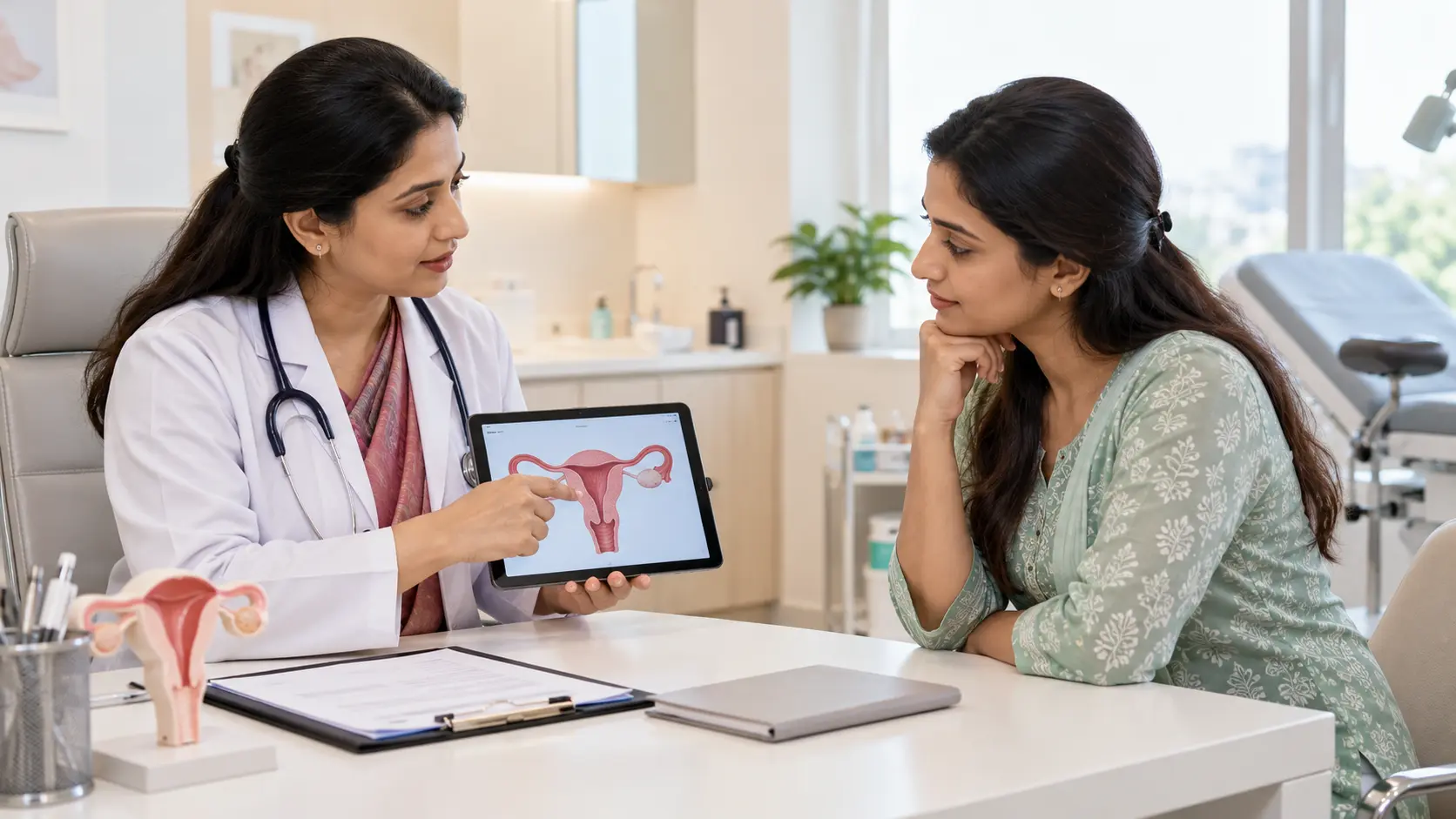
1. Schedule a Preconception Health Check-Up
Arrange to see a trusted gynaecologist or another medical professional before conceiving.
It is a good chance to discuss your menstrual patterns, previous pregnancies, family history of inherited conditions, current medical conditions and medications.
Depending on your situation, you may be advised blood tests, vaccinations, infection screening or further diagnostics. Conditions such as diabetes, high blood pressure and thyroid disease should be well managed before conceiving.
Not everyone needs the same tests, so your doctor will guide you based on your individual needs.
2. Understand Your Menstrual Cycle and Fertile Window
Knowing your menstrual cycle helps you understand when you are most likely to conceive.
Ovulation is the release of an egg from an ovary. The fertile window is usually the five days before ovulation plus the day of ovulation, and the chance of conceiving is highest close to ovulation.
If your cycles are regular, tracking them is a good first step. Ovulation predictor tests can help you identify your fertile days. Period-tracking apps give an estimate of ovulation but cannot confirm it.
Having intercourse every other day during the fertile window works well. If tracking ovulation is difficult, having intercourse two to three times a week is another option.
If your cycles are irregular or absent, consult a doctor rather than relying only on tracking apps.
3. Take Folic Acid Before Pregnancy
Folic acid is very important when planning a baby, as this vitamin helps prevent neural tube defects of the brain and spinal cord.
For most women with average health risk, 400 micrograms of folic acid daily is advised before pregnancy and in early pregnancy. It is best to start before you conceive.
Some women need a higher dose depending on their health condition, medications or a previous baby with a neural tube defect. This should be decided by your healthcare provider.
Do not assume that your regular food or multivitamins provide enough folic acid.
4. Follow a Balanced and Nutritious Diet
A balanced diet supports your overall health before and during pregnancy. Include a variety of foods such as:
- Green leafy vegetables and other seasonal vegetables
- Fresh fruits
- Whole grains and millets
- Pulses, beans, lentils and other protein sources
- Eggs, dairy products, fish or other suitable protein options
- Nuts and seeds, according to your dietary preferences
Iron, folic acid, vitamin B12, calcium, vitamin D and iodine are important to consider when planning conception. Nutrition needs depend on your diet, overall health and test results.
Avoid taking vitamins or herbal products to boost fertility without consulting a doctor, as they may be unnecessary or even harmful.
5. Maintain a Healthy Lifestyle
Healthy habits can support your fertility and general well-being.
Try to maintain a healthy body weight, stay active, get proper rest and manage stress in a way that suits you.
Smoking, tobacco and alcohol should be avoided when you want to conceive. If you use them regularly, get help to quit.
Managing stress is important for your mental health too. Walking, yoga, relaxation exercises, hobbies and talking with loved ones can all help you cope during the conception journey.
Healthy habits improve well-being, but they cannot reverse every effect of ageing on fertility.

6. Review Medicines, Vaccinations and Existing Health Conditions
Share your medicine and supplement details with your doctor before conception.
Some medicines may need a dose adjustment before conception, while others must be continued to keep an existing condition under control. Never stop prescription medicine without consulting your doctor.
Your doctor may also ask about your vaccination status and suggest vaccines or other tests before you conceive.
If you have PCOS, diabetes, a thyroid disorder, high blood pressure, epilepsy or any other chronic condition, planning your pregnancy with your doctor is especially helpful.
7. Discuss Fertility Testing When Appropriate
Fertility testing is not mandatory for every woman after 30.
If you have not conceived despite trying, or you have irregular cycles or reproductive health issues, your doctor may recommend testing. Depending on your situation, it may include ovulation testing, a check of the uterus and fallopian tubes, or a semen analysis for your partner.
Your doctor may also suggest an ovarian reserve test such as the AMH test. AMH gives an idea of ovarian reserve, but it cannot predict an individual woman's chance of conceiving or her egg quality. It should not be treated as a verdict on your fertility.
Pregnancy Planning at 30–34, 35–39 and 40 or Older
Your age can influence when to get a fertility assessment and what kind of preconception advice you may need.
Pregnancy Planning at 30–34
Most women in this age group conceive naturally. Still, it is advisable to review your health, learn your fertile days, take recommended folic acid and address any medical issues before trying.
Women who already know about fertility concerns or menstrual disorders should consult a doctor first.
Pregnancy Planning at 35–39
Fertility declines more noticeably in this period, and some pregnancy-related complications become more likely.
If you are 35 or above and have not conceived after six months of trying, get a fertility evaluation. Do it earlier if you have risk factors such as irregular cycles, endometriosis or earlier difficulty conceiving. Early answers help you make better decisions.
Pregnancy Planning at 40 or Older
Fertility is generally lower at this age, while the chances of miscarriage and certain pregnancy complications are higher.
If you are 40 or older and want to get pregnant, book a preconception counselling appointment with a qualified expert. It gives you a chance to discuss your situation and the benefits of a fertility assessment.
This information is only for general guidance and is not a prediction of any individual's fertility.
When Should You Consult a Fertility Specialist?
Knowing when to seek professional help is an important part of pregnancy planning after 30. As a general guide:
| Age | When to seek evaluation |
|---|---|
| Under 35 | After 12 months of regular, unprotected intercourse without conception |
| 35–39 | After 6 months without conception |
| 40 or older | Consider evaluation before trying to conceive, or as soon as you begin trying |
If you have irregular or missed periods, a history of reproductive health problems, or your partner has known fertility issues, you may need advice much earlier. You can get in touch with us to talk through your situation.
An evaluation does not mean you will automatically go for IVF. Depending on the findings, the next step may be observation, treating an underlying problem, timed intercourse, medication, IUI or IVF. It all depends on the reason behind the difficulty.
Do You Need IVF to Get Pregnant After 30?
No. Being 30, 35 or even 40 does not mean IVF is required.
Many women conceive without any assistance in their 30s. Others face difficulty because of issues with ovulation, fallopian tubes, sperm or ovarian reserve. IVF is only one of many methods used to treat infertility.
Before choosing a treatment, ask your doctor:
- What may be contributing to our difficulty conceiving?
- Which investigations are appropriate for us?
- Are there simpler treatment options worth considering?
- What are the likely benefits, limitations, costs and risks of each option?
- How might our age and medical history affect the recommended approach?
Understanding the reason behind a recommendation helps you make a more informed decision.
How Can Parivar Saathi Help With Pregnancy Planning After 30?
Pregnancy planning can feel complicated when you receive conflicting advice about fertility testing, AMH values, IUI, IVF and costs.
Parivar Saathi provides free and confidential fertility counselling and guidance to help clear your concerns and think through possible ways forward.
If you want to conceive after 30, a counselling session can help you prepare your questions, understand commonly discussed fertility tests and what they mean, and get ready before consulting the right specialist.
Parivar Saathi does not make medical diagnoses, prescribe medicines or provide fertility treatments. The aim is to help you understand your options and, if needed, refer you to appropriate medical help.
You do not need any medical reports to start the conversation. You can simply share your concerns and the questions you want answered.
Frequently Asked Questions About Pregnancy Planning After 30
1. Is 30 too late to have a baby?
No. Many women get pregnant and have healthy pregnancies after 30.
2. How can I prepare my body for pregnancy after 30?
Schedule a preconception check-up, take folic acid as advised, eat a healthy diet, avoid smoking and alcohol, discuss your medicines with a healthcare provider and address any medical concerns you may have.
3. What is the best age to get pregnant?
The best age differs from person to person. Fertility is generally highest in the 20s and declines gradually over time.
4. Should I get an AMH test before trying to conceive?
An AMH test is not necessary before conception. Your doctor may recommend it when assessing ovarian reserve or planning fertility treatment. AMH is not a reliable measure of natural pregnancy chances or egg quality.
5. Can I get pregnant naturally after 35?
Yes, you can conceive after 35. However, fertility reduces and it may take longer to conceive. If you are 35 and have not conceived after six months, visit your doctor.
6. When should I see a doctor if I am not getting pregnant?
As a general guide, get evaluated after one year of trying if you are under 35, after six months if you are 35 to 39, and before trying to conceive if you are 40 or above.
7. Does pregnancy after 30 always involve more risks?
No. Age alone does not decide your outcome. Some risks may be linked to age, but your health conditions and medical history are equally important.
8. Can Parivar Saathi help me decide whether I need IVF?
Parivar Saathi can help you understand fertility concerns, prepare for your doctor's appointment and explore different treatment paths. It does not determine whether you are infertile or need IVF.

Final Thoughts: Plan With Information, Not Fear
Pregnancy planning after 30 is about making informed decisions and taking steps that work in your favour.
Get a pre-pregnancy check-up, understand your menstrual cycle, take the recommended supplements and seek professional help if you face difficulty conceiving. Do not rush towards IVF just because conception is taking time.
Every situation is different, and there is a path that works for you.
Not sure about the choices you have? Parivar Saathi offers free and confidential fertility counselling to help you understand your options. Visit parivarsaathi.com to know more.
Health Disclaimer: The information given above is general and does not replace personal health advice, diagnosis or treatment by your doctor. Please talk to your doctor about your particular health concerns.